
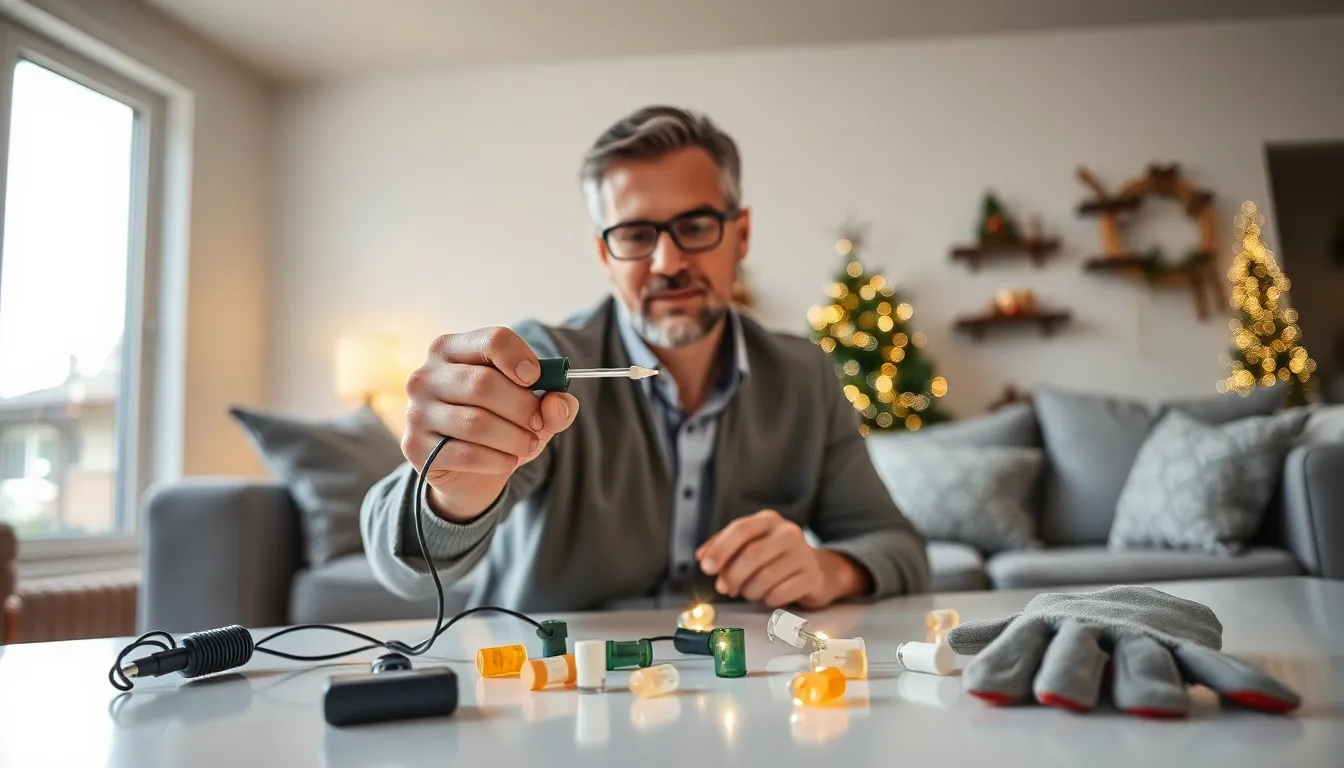
Picture this: it’s the holiday season, and you’re all set to deck the halls with the twinkling magic of Christmas lights. Everything looks perfect until you plug them in and… nothing happens. Cue the dramatic sigh. But fear not, folks. Understanding how to change a fuse in Christmas lights is about as easy as pie. In fact, you can be back to your festive frolicking in no time. With a little knowledge and a handful of tools, let’s unwrap the mystery of fuses and get those lights shining brightly.
Understanding Christmas Light Fuses
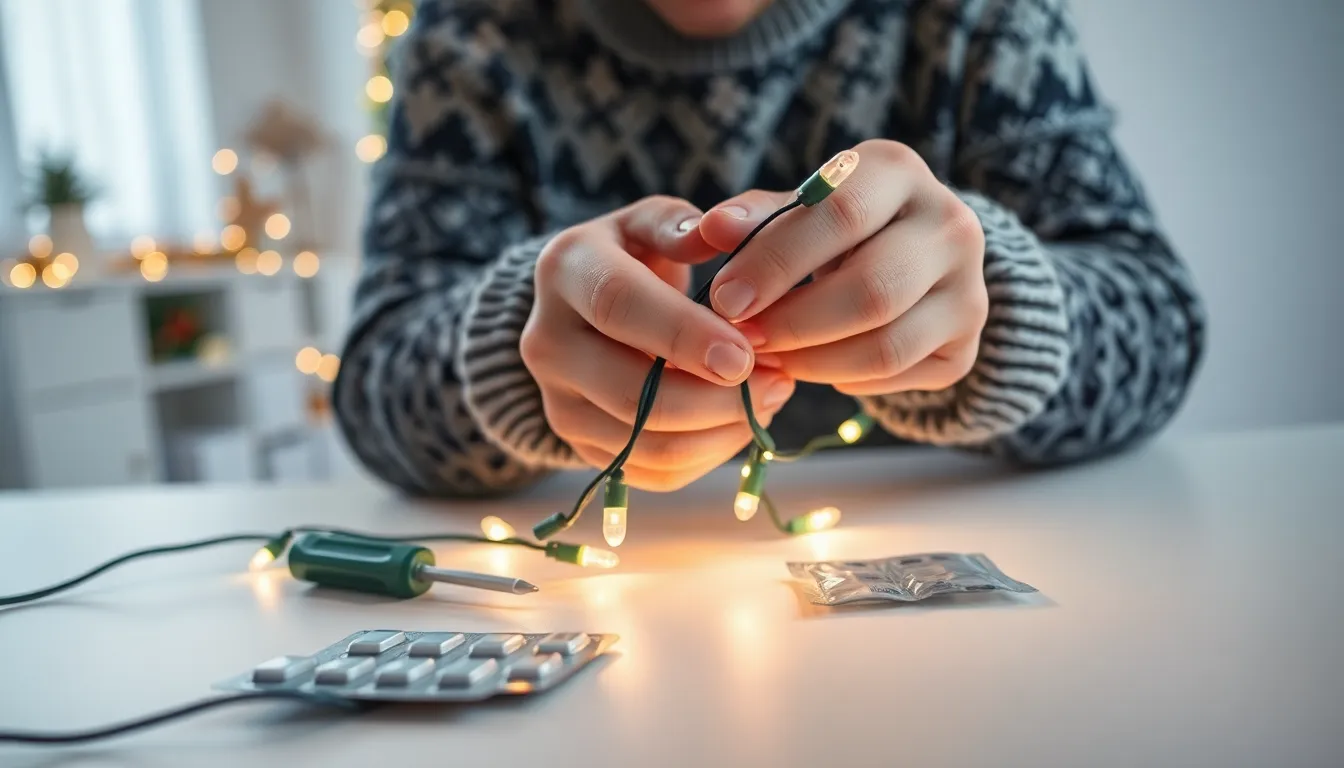
Christmas lights often rely on small fuses embedded within their circuits. Fuses act as safety devices, preventing overheating and damage, which can potentially turn that festive spirit into a fire hazard. When too much current flows through the wires, the fuse blows, cutting power and saving the lights from becoming toast. nUnderstanding the functionality of these fuses can help prevent future problems and keep the holiday glow intact.
Common Symptoms Of A Blown Fuse
Recognizing a blown fuse isn’t rocket science, but it does require a keen eye. Here are some telltale signs to watch out for: n- Partial Outage: If only part of your string lights is out, it may be a blown fuse. n- Flickering Lights: If you notice erratic flickering, it could indicate an electrical issue. n- No Power: Of course, the ultimate symptom is simply that the lights won’t turn on at all. nIn any case, it’s wise to troubleshoot a bit before tossing those lights in the trash.
Gathering The Necessary Tools
Now that you’ve diagnosed the problem, it’s time to gather the right tools for the job. You’ll need: n- Replacement Fuse: Not all fuses are created equal, so check your light set’s specifications for the correct type. n- Small Flathead Screwdriver: This will help you pop off the fuse cover. n- Multimeter: Not necessary but handy for testing continuity if you’re feeling tech-savvy. n- Safety Gloves: Optional for those who want an extra layer of protection. nGather these tools, and you’ll be more than ready to tackle that pesky fuse.
Step-by-Step Guide To Changing The Fuse
Changing a fuse might sound intimidating, but the process is straightforward. Here’s a step-by-step guide: n1. Unplug the Lights: Always start by unplugging the lights to avoid any nasty shocks. n2. Locate the Fuse Compartment: Usually found in a small section on either the plug or near the middle of the light string. n3. Open the Compartment: Use your flathead screwdriver to gently pry open the fuse compartment cover. Keep this step gentle to avoid damaging the cover. n4. Remove the Old Fuse: Pull out the blown fuse. It might take a little wiggling, but it should come out easily. n5. Insert the New Fuse: Line up the new fuse in the same orientation as the old one. Push it firmly but gently until it’s seated. n6. Close the Compartment: Snap the cover back into place until you hear a click. n7. Plug in the Lights: Now for the moment of truth, plug your lights back in and see if they shine once again.
Testing The Christmas Lights After Replacement
Once that new fuse is in place and your lights are plugged back in, it’s time for a test run. Enjoy this part. n- Turn On the Lights: Flip the switch and see if they illuminate. n- Observe for a Few Minutes: Keep an eye out for any flickering or unusual behavior. If everything looks good, time to dance around in celebration. nShould issues arise, you may want to re-check your work or consider that there might be deeper electrical problems.
Preventative Tips For Future Use
To save yourself from future holiday headaches, consider these preventative measures: n- Use High-Quality Lights: Investing in better-quality lights typically means fewer blown fuses. n- Don’t Overload Circuits: Avoid plugging too many strings together, as this can cause strain. n- Store Lights Properly: After the season, pack those lights carefully away to prevent wire damage. n- Regular Maintenance: During the holiday season, keep an eye out for flickering or dim lights to nip issues in the bud.