
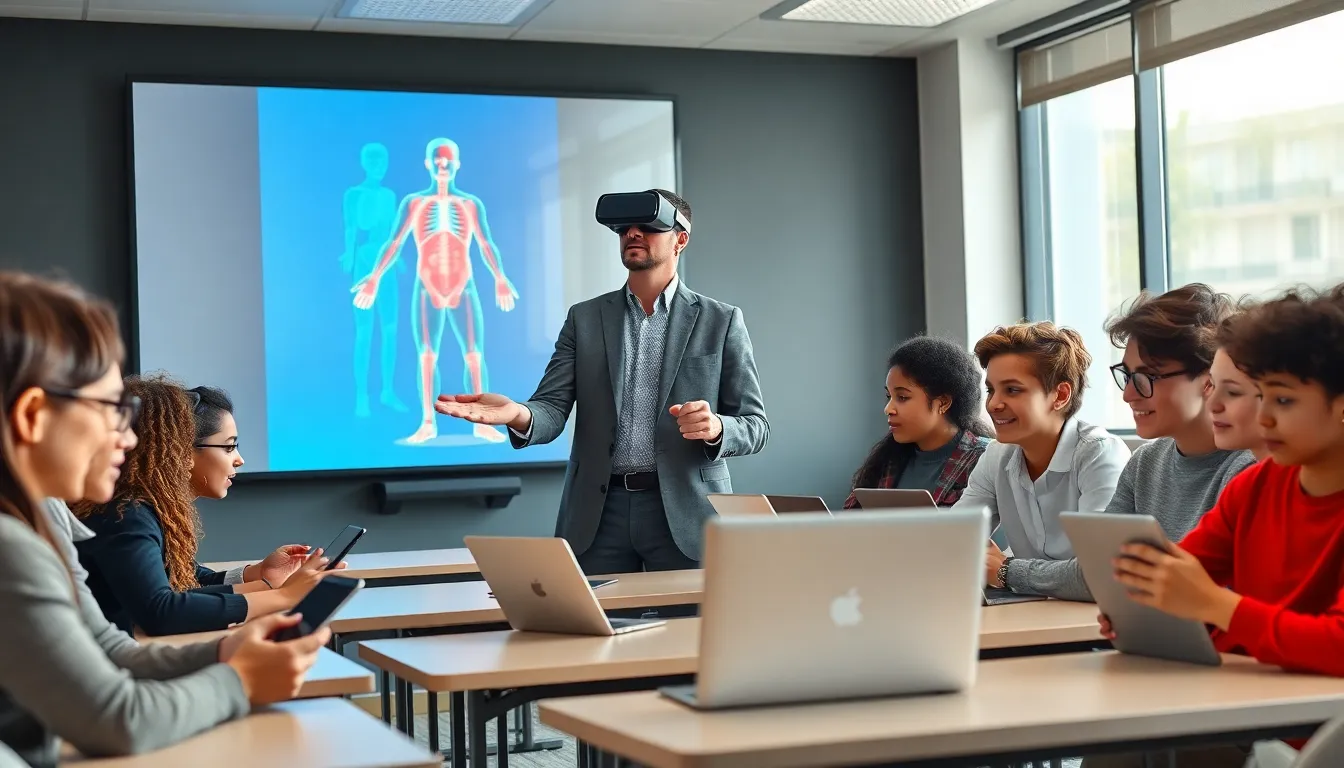
In the world of education, change is the only constant. If a student can learn algebra while playing a video game, why shouldn’t they? Emerging technologies are not just buzzwords thrown around at tech conferences: they are game-changers redefining the learning experience. Imagine virtual classrooms that engage students more than a traditional lecture or artificial intelligence that crafts personalized study plans. Ready to jump into how these technologies are shaping the future of education? Let’s explore.
Overview Of Emerging Technologies
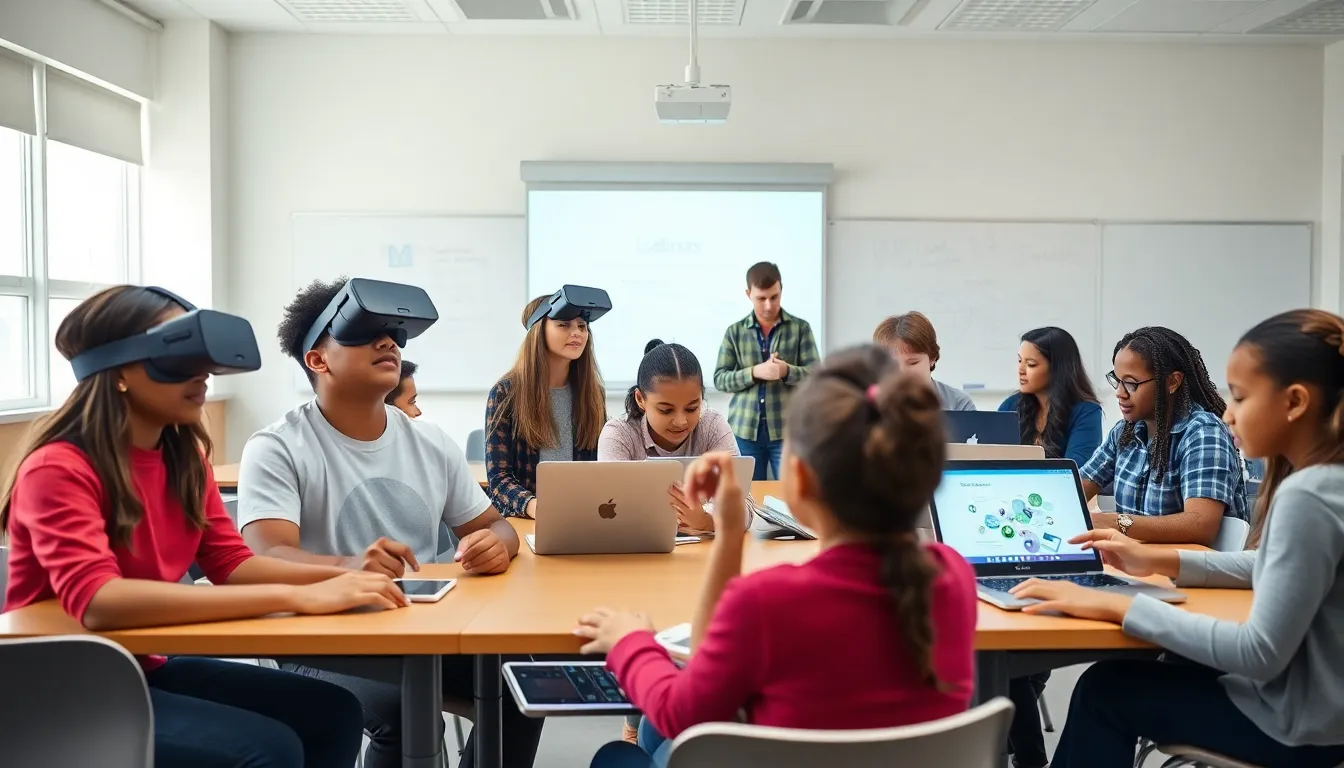
Education is undergoing a remarkable transformation fueled by innovative technologies. These advancements aren’t merely supplementary tools but are essential in crafting a more effective educational landscape. From learning platforms that use AI to immersive experiences offered by virtual reality, the future of learning is promising. With these technologies being adopted across school systems, colleges, and even adult education, the emphasis is evolving from rote memorization to skills that prepare students for real-world challenges.
Also, global connectivity allows students to collaborate on projects across borders, creating a more inclusive learning environment. As these technologies continue to mature, educators are finding new ways to engage students, streamline administration, and enhance the overall educational experience.
The Role Of Artificial Intelligence
Artificial Intelligence (AI) is perhaps one of the most significant players in the educational tech revolution. Imagine a tutor who is never unavailable, always patient, and capable of tailoring lessons to fit a student’s unique learning pace. This is the promise of AI in education. AI tools analyze students’ learning patterns, strengths, and areas needing improvement, allowing for customized lesson plans.
Besides, AI-driven chatbots are making waves in student support services. They offer real-time assistance, answering queries about coursework, grades, and even enrollment procedures, freeing up educators to focus on teaching rather than administrative tasks. As AI continues to evolve, so too does its potential to reshape how information is imparted and absorbed in academic settings.
Virtual And Augmented Reality In Learning
Virtual and Augmented Reality (VR and AR) technologies are stepping out of science fiction and into the classroom. These immersive technologies enable students to experience learning like never before. Imagine exploring the surface of Mars while sitting in a classroom, this is just one of the endless possibilities with VR.
AR complements this experience by overlaying digital information onto the physical world. For instance, when students study anatomy, AR can project a 3D model of the human body onto their desks, giving them a chance to interact with it from multiple angles. Such immersive experiences not only enhance engagement but significantly bolster understanding and retention. In a world where attention spans are dwindling, the allure of VR and AR holds the potential to keep students riveted to their studies.
The Impact Of Blockchain On Education
Blockchain technology, often associated with cryptocurrencies, has made its way into the educational sphere, promising to revolutionize record-keeping and credential verification. Traditional methods of record storage are not only vulnerable to fraud but also cumbersome. With blockchain, academic credentials can be securely stored and easily accessed, reducing the chance of forgery and streamlining the verification process for employers and institutions.
Not only does this provide a level of security, but it also fosters trust in an increasingly digital world. Also, blockchain can help micro-credentialing, allowing students to earn and showcase skills acquired through various courses, transforming how achievements are recognized and valued.
Mobile Learning And Accessibility
Mobile learning is becoming a crucial pillar of modern education, providing learners with the flexibility to study on the go. With the proliferation of smart devices, students can access resources, engage in discussions, and even complete assignments from virtually anywhere. This convenience significantly enhances learning opportunities, particularly for those balancing work or family commitments.
Accessibility remains a concern in education, but technology is stepping up to change this. Platforms designed for mobile learning can incorporate features catering to students with disabilities, ensuring everyone can benefit from the educational resources available. Besides, this approach encourages lifelong learning, enabling anyone with a smartphone to access knowledge at their fingertips.
Data Analytics And Personalized Learning
Data analytics is making strides in personalizing the educational experience. With sophisticated algorithms crunching vast amounts of academic data, educators can glean insights into how their students learn best. This capability allows for real-time adjustments to lesson plans based on individual and collective progress.
Personalized learning, powered by data, means that each student can engage with material that resonates with them, improving motivation and performance. Gone are the days of a one-size-fits-all approach to education: instead, differentiated instruction tailored to unique needs is gaining traction. This data-driven methodology promises to elevate educational standards and outcomes.
Future Trends And Considerations
As educational technology continues to advance, several trends are poised to shape the future landscape. Hybrid learning environments, which blend traditional teaching with digital tools, are likely to become the norm. Also, increased reliance on gamification elements in learning can enhance engagement by making education more interactive and fun.
Another significant trend is the growing emphasis on social-emotional learning (SEL) technologies that prioritize students’ mental health and well-being. These tools won’t just focus on academic outcomes but also foster resilience, empathy, and emotional intelligence, skills that are essential in today’s world. Keeping an eye on these trends can help educators prepare for the dynamic future ahead.