

Imagine sipping your morning coffee while floating in zero gravity, or taking a selfie with Earth as your backdrop. Commercial space travel isn’t just a sci-fi dream anymore; it’s quickly becoming a reality. Thanks to innovative companies and adventurous billionaires, the final frontier is opening up for those with a taste for adventure and a wallet to match.
Overview of Commercial Space Travel
Commercial space travel has become a significant industry, transforming the way people experience space. Various companies, such as SpaceX, Blue Origin, and Virgin Galactic, lead the charge in making this possible. These ventures focus on suborbital flights, enabling passengers to briefly experience weightlessness and see Earth from above.
Tourists now find themselves able to book flights that take them to the edge of space. Several trips, measured in minutes and miles, offer experiences previously reserved for astronauts. High-profile missions often see individuals ascend more than 62 miles above sea level, an altitude where the curvature of the Earth becomes visible.
Investment in commercial space travel skyrocketed in recent years. Estimates indicate that the industry could surpass $1 trillion by 2040. Individuals with significant disposable incomes often partake in these journeys, contributing to a growing market for space tourism. Notably, the prospect of working in or visiting space habitats has intrigued scientists and travelers alike.
Innovative technologies help drive the industry forward. Reusable rocket systems not only lower costs but also enhance sustainability in space travel. Safety protocols also evolve consistently to ensure passenger well-being during voyages, with multiple successful test flights proving their reliability.
Regulatory frameworks have also adapted to accommodate this emerging field. The Federal Aviation Administration (FAA) plays a crucial role in overseeing commercial space operations, ensuring compliance and safety standards met. Public interest in these missions continues to grow, highlighted by excitement around upcoming launches and missions.
This ambitious sector may redefine adventure, transforming space from an unattainable frontier into an accessible experience for all who dare to dream.
Key Players in the Industry
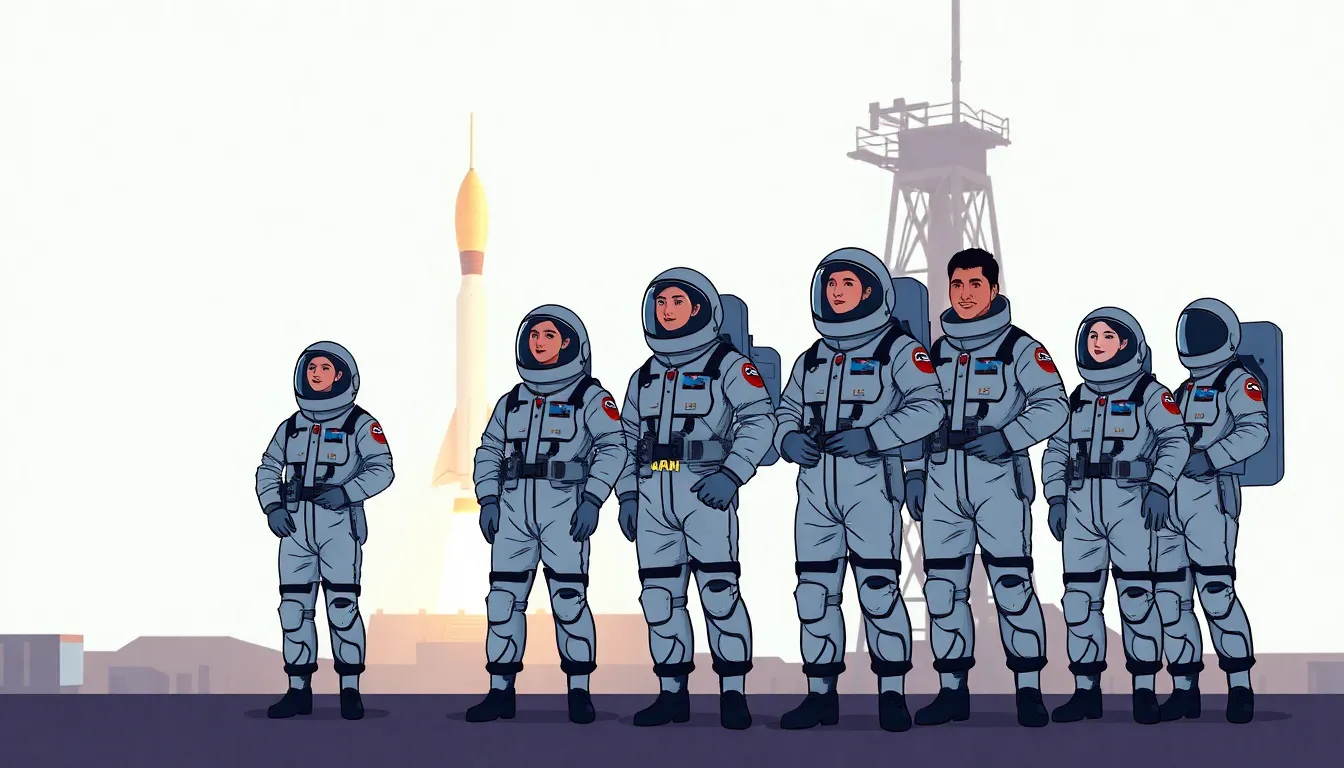
The commercial space travel industry features several influential players shaping its future. Companies are innovating rapidly to make space exploration more accessible.
Major Companies Leading the Charge
SpaceX stands out as a groundbreaking company, renowned for developing reusable rocket technology. Its Crew Dragon spacecraft facilitates transport for astronauts and civilians alike. Blue Origin, founded by Jeff Bezos, focuses on suborbital flights, allowing passengers to experience weightlessness and view Earth’s curvature. Virgin Galactic aims to provide commercial space tourism, utilizing its SpaceShipTwo spacecraft for short trips to the edge of space. Each company emphasizes safety and sustainability while expanding their offerings to meet growing consumer demand. Their collective efforts drive the industry’s evolution, highlighting diverse experiences available to future space tourists.
Emerging Startups and Innovations
Numerous startups are entering the commercial space travel arena, introducing fresh ideas and technologies. Axiom Space plans to build the world’s first commercial space station, presenting new opportunities for research and tourism. Relativity Space is developing 3D-printed rockets, aiming to streamline production processes. Another key player, Planet Labs, focuses on satellite technology, revolutionizing earth observation capabilities. Innovative solutions, like autonomous flight systems, are enhancing safety measures across the sector. Each startup contributes unique advancements, fostering healthy competition as they push the boundaries of what’s possible in space travel.
Technological Advancements
Technological advancements propel commercial space travel into the forefront of innovation, making space exploration more accessible than ever.
Rocket and Spacecraft Development
Developers focus on creating reusable rockets to significantly cut costs and increase launch frequency. SpaceX stands out with its Falcon 9 and Falcon Heavy rockets, demonstrating reusability in a way that was once thought impossible. Blue Origin’s New Shepard is designed for suborbital flights, optimizing tourist experiences at the edge of space. Virgin Galactic’s SpaceShipTwo emphasizes safety and comfort for passengers while providing stunning views of Earth. Newcomers like Relativity Space are working on 3D-printed rockets, which could streamline production processes and reduce development time. Innovations in propulsion technologies are changing how potential travelers experience space, making these developments crucial for the industry.
Safety Measures and Regulations
Safety protocols play a foundational role in commercial space travel operations. The Federal Aviation Administration (FAA) has established regulations that ensure both spacecraft and passenger safety during flights. Each company must adhere to rigorous testing standards before launching commercial missions. Companies like SpaceX and Blue Origin have implemented extensive safety measures, including emergency escape systems and pre-launch health checks for passengers. Continuous advancements in safety technology help reduce risks associated with space travel. As the industry evolves, regulations consistently adapt to incorporate new technologies while prioritizing passenger well-being, ensuring trust in this burgeoning sector.
Economic Impact
Commercial space travel significantly influences the global economy. Investment trends and market growth in this sector indicate robust potential for expansion.
Investment Trends and Market Growth
Investment in commercial space travel surpassed $450 million in 2022, showing an upward trajectory. Projections suggest the industry could exceed $1 trillion by 2040, driven by high-net-worth individuals seeking unique experiences. Companies like SpaceX, Blue Origin, and Virgin Galactic contribute substantially to this growth with innovative technologies and services. Market competition intensifies as newcomers like Axiom Space and Relativity Space enter the field. Increased demand for suborbital flights and space tourism packages propels continued financial commitment from private investors and venture capitalists. Overall, the trend indicates a bright future for an industry characterized by bold ventures and technological advancements.
Job Creation and Economic Opportunities
Job creation in the commercial space travel sector generates diverse opportunities across various fields. Over 680,000 jobs may result from the anticipated growth of the industry by 2040. Engineering, manufacturing, and tourism-related positions will expand as companies scale up operations. Local economies benefit as spaceports and support infrastructure develop around these new ventures. Educational institutions also play a vital role, offering programs to prepare the workforce for emerging job markets. Collaboration between private companies and government agencies fosters innovation, ensuring thriving economic environments. Consequently, commercial space travel shapes a promising landscape for skilled professionals aspiring to contribute to this exhilarating frontier.
Challenges and Limitations
Commercial space travel faces several significant challenges.
Cost Barriers for Consumers
Cost remains a primary obstacle in the commercial space travel industry. Pricing for suborbital flights exceeds $250,000 per person, making these experiences unaffordable for most people. Affluent individuals largely drive demand, but the steep costs limit accessibility. Corporate partnerships and sponsorships may alleviate some expenses, yet overall prices remain high. Companies continuously explore ways to lower these costs through innovative technologies and reusable rockets, with the goal of attracting a broader demographic. Breaking the $100,000 barrier would make space tourism more reachable for middle-class consumers, potentially expanding the industry significantly.
Environmental Concerns
Environmental impact raises serious questions regarding commercial space travel. Rocket launches contribute to atmospheric pollutants and greenhouse gas emissions, creating a potential strain on climate stability. Studies indicate that suborbital flights can release significant black carbon particles into the upper atmosphere, exacerbating global warming. Companies, aware of this issue, are working to mitigate environmental footprints by developing greener propulsion technologies. Recognizing sustainability as crucial, the industry seeks to balance exploration with ecological responsibility. Significant public scrutiny remains on how commercial space travel aligns with broader planetary conservation efforts.
Future of Commercial Space Travel
Commercial space travel continues to advance rapidly, poised to redefine exploration and tourism.
Upcoming Milestones and Missions
Upcoming milestones in commercial space travel involve significant missions scheduled for the near future. SpaceX plans to launch the Polaris Dawn mission, aiming for the first private crewed mission to orbit by 2023. Blue Origin’s New Shepard will conduct regular suborbital flights, while Virgin Galactic prepares for expanded flights with its SpaceShipTwo, targeting full commercial operations soon. Additionally, Axiom Space aims to send private astronauts to the International Space Station (ISS), further solidifying the industry’s commitment to human spaceflight. Major goals emphasize not just tourism but also broader scientific research and technological advancements.
Potential for Tourism and Exploration
Potential for tourism and exploration within commercial space travel remains vast. Increasing interest from high-net-worth individuals drives demand for suborbital experiences, including mini-vacations above the Earth. Space tourism companies offer unique packages that attract thrill-seekers and space enthusiasts. Moreover, commercial missions to the ISS promise opportunities for educational programs and scientific research. Individuals will experience weightlessness and breathtaking views of Earth, enhancing the allure of space. Increased collaboration among private companies and space agencies further promotes innovative exploration initiatives, bridging the gap between ordinary travelers and the cosmos.
Commercial space travel is no longer a distant dream but a rapidly evolving reality. With leading companies making strides in technology and safety, the allure of space is becoming more accessible to adventurous souls. As the industry grows, it promises to create thousands of jobs and stimulate local economies while addressing environmental concerns through innovative solutions.
The excitement of experiencing weightlessness and witnessing Earth from above is just the beginning. As regulations adapt and costs decrease, the potential for broader participation in space tourism becomes increasingly feasible. The future holds immense possibilities for exploration and adventure, inviting everyone to consider what lies beyond our planet.


