

Imagine it’s a sunny day, you’re prepping for a family road trip, and you throw your kid’s car seat into the car, blissfully unaware that it’s as useful as a chocolate teapot if it’s past its expiration date. Sure, car seats look sturdy, but they don’t last forever. Just like milk in the fridge, car seats have a shelf life too. Knowing how to find the expiration date is crucial, not just for peace of mind, but for keeping your little ones safe. In this guide, we’ll navigate the ins and outs of car seat expiration like pros, mixing a little humor with solid facts so you can hit the road with confidence.
Understanding Car Seat Expiration
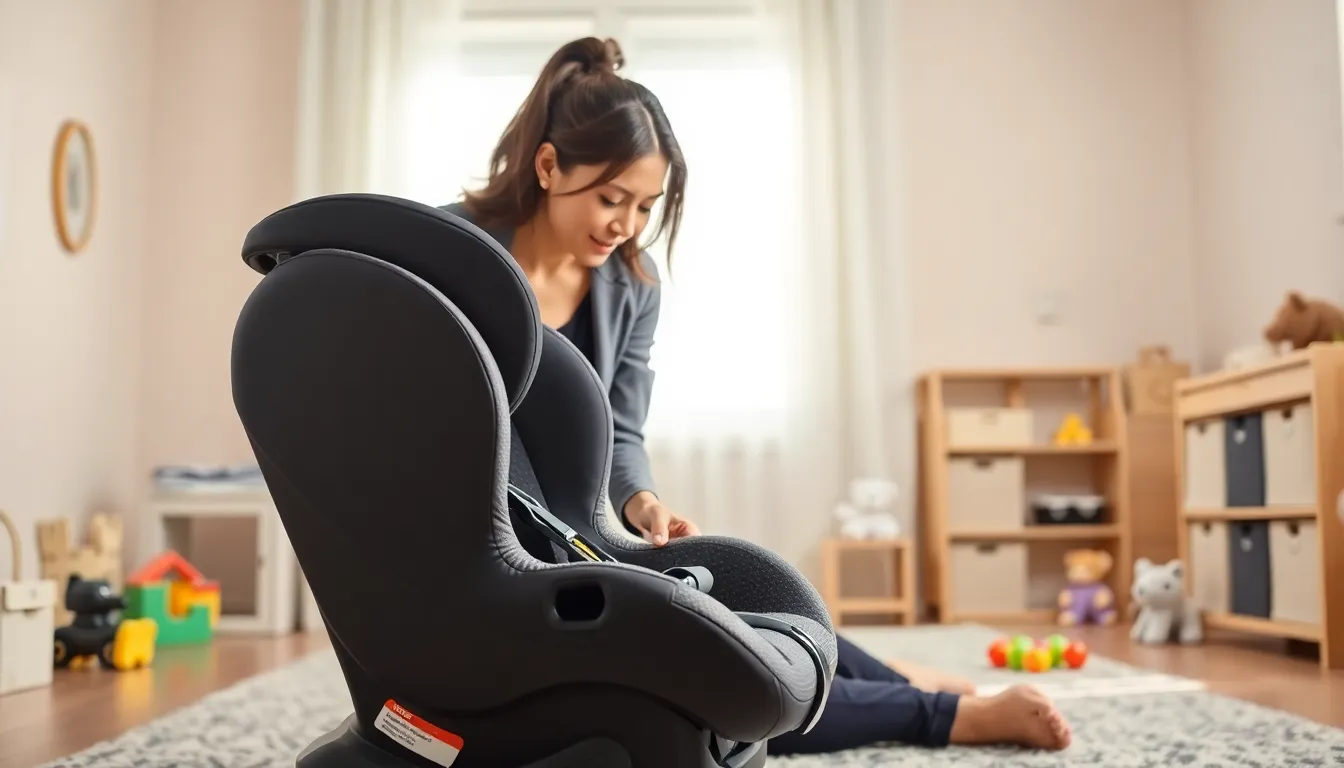
Car seats aren’t just expensive accessories: they are vital safety devices that protect little passengers during car trips. Just like air bags or seat belts, car seats are engineered to withstand impact and ensure the safety of children. But, they aren’t designed to last indefinitely. Over time, materials degrade, and crucial safety features can diminish, making knowing the expiration date essential to child safety. It’s important for parents to understand not only that car seats expire, but also the factors involved in their lifespan.
Why Car Seats Expire
Why, you ask? Well, car seats are constantly under a barrage of stress, from weather changes to UV rays and the inevitable wear and tear that comes from everyday use. Manufacturers state that most car seats have an expiration date for several key reasons:
- Material integrity: The plastics and foams used can weaken and degrade over time.
- Safety regulations: Technology evolves: what once was cutting-edge can quickly become outdated.
- Accident history: If a seat has ever been involved in a crash, it may need to be replaced even if it hasn’t technically expired.
Understanding these factors helps parents make informed decisions about their child’s safety.
Where To Locate The Expiration Date
Finding the expiration date on a car seat is easier than it sounds. Here are a couple of places to check:
Manufacturer’s Label Information
The manufacturer usually sticks a label somewhere on the seat that contains the expiration date and additional safety information. This label is often located on the back or bottom of the car seat. Keep in mind that the format might vary: some labels might say ‘Do Not Use After’ followed by the date.
Using The Car Seat Manual
If you can’t find the label, fear not. The car seat manual is your trusty sidekick. Most manuals include information on the expiration date and other safety details. If you can’t find the manual, many manufacturers offer them online in PDF form.
Online Resources For Verification
When in doubt, digital resources can be handy for checking expiration dates or gathering more information about a specific car seat model. Here are some go-to options:
- Manufacturer websites: Look up the car seat model on the manufacturer’s site for specifics on safety checks and expiration.
- Consumer Product Safety Commission (CPSC): This government website can provide guidance on product recalls and general safety standards.
Understanding that these resources exist can give parents confidence in their ability to verify vital safety information.
Tips For Determining Car Seat Age
Alright, so you’ve found the expiration date, but how about the age of your car seat? Sometimes, it might be tricky. Here are some tips:
Recognizing Signs Of Wear And Tear
Inspect your car seat regularly for any signs that it’s time to consider a replacement. Look for:
- Cracks or fading in the plastic, this indicates exposure to too much sun, which weakens the materials.
- Torn harness straps that may not provide the secure fit they once did.
- Unusual smells or stains may indicate it’s been involved in spills or other incidents. Not all signs are about function: aesthetics matter too.
When To Replace A Car Seat
Knowing when to say goodbye to a beloved car seat is as important as knowing its expiration date. If you encounter any of the following scenarios, it’s time for an upgrade:
- If it has been expired, no safety features remain effective.
- If the car seat has been involved in a crash, even a minor one, it’s safer to invest in a new one.
- If the seat is showing notable signs of wear (like we discussed), do not hesitate to get a replacement. After all, nothing is more crucial than the safety of your child.



