
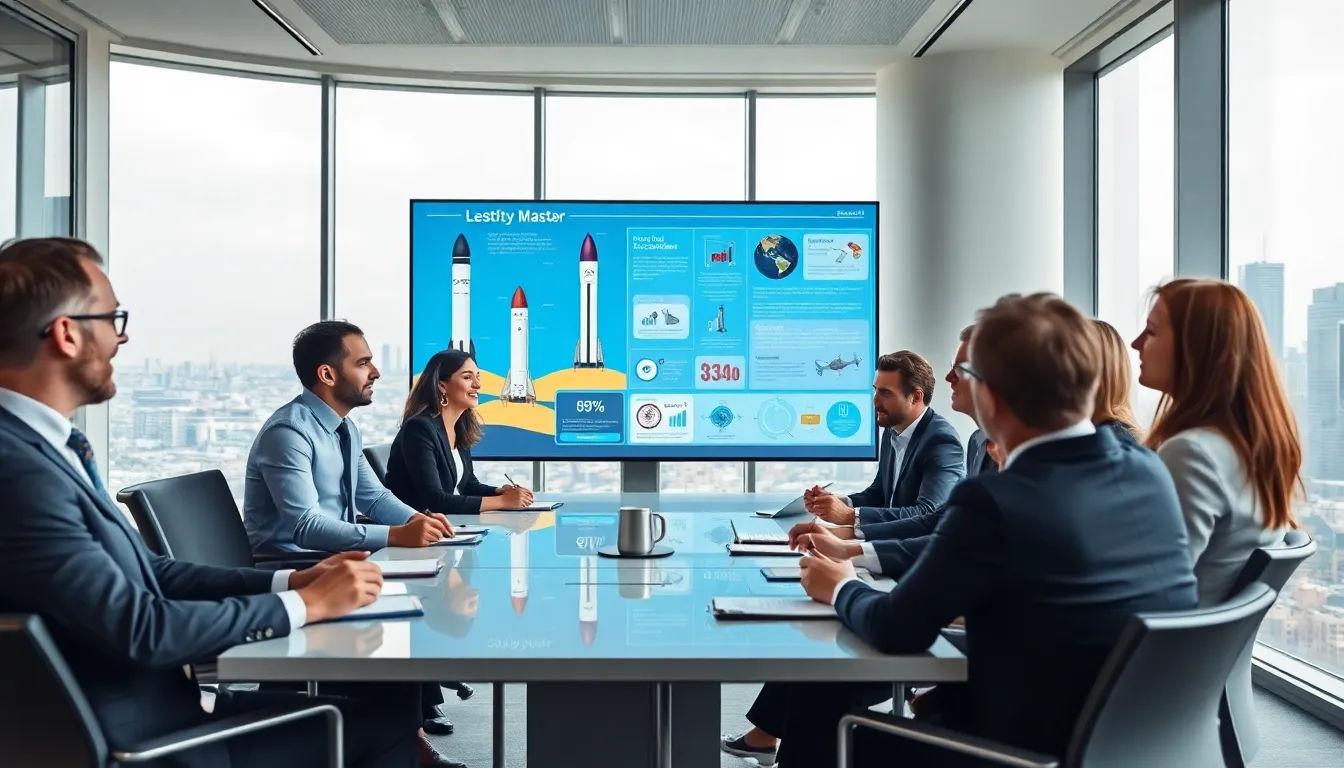
Have you ever stared up at the night sky and wondered about the technology that makes space exploration possible? It’s not just about twinkling stars and distant planets: it’s a realm of cutting-edge technology that continuously expands the horizons of human capability. From massive rockets that can flip upside down mid-flight to nifty little satellites zipping around Earth at mind-boggling speeds, space technology is like the ultimate sci-fi movie, except it’s all real. Let’s jump into some fascinating examples of space technology and how they’re shaping our understanding of the universe.
Introduction to Space Technology
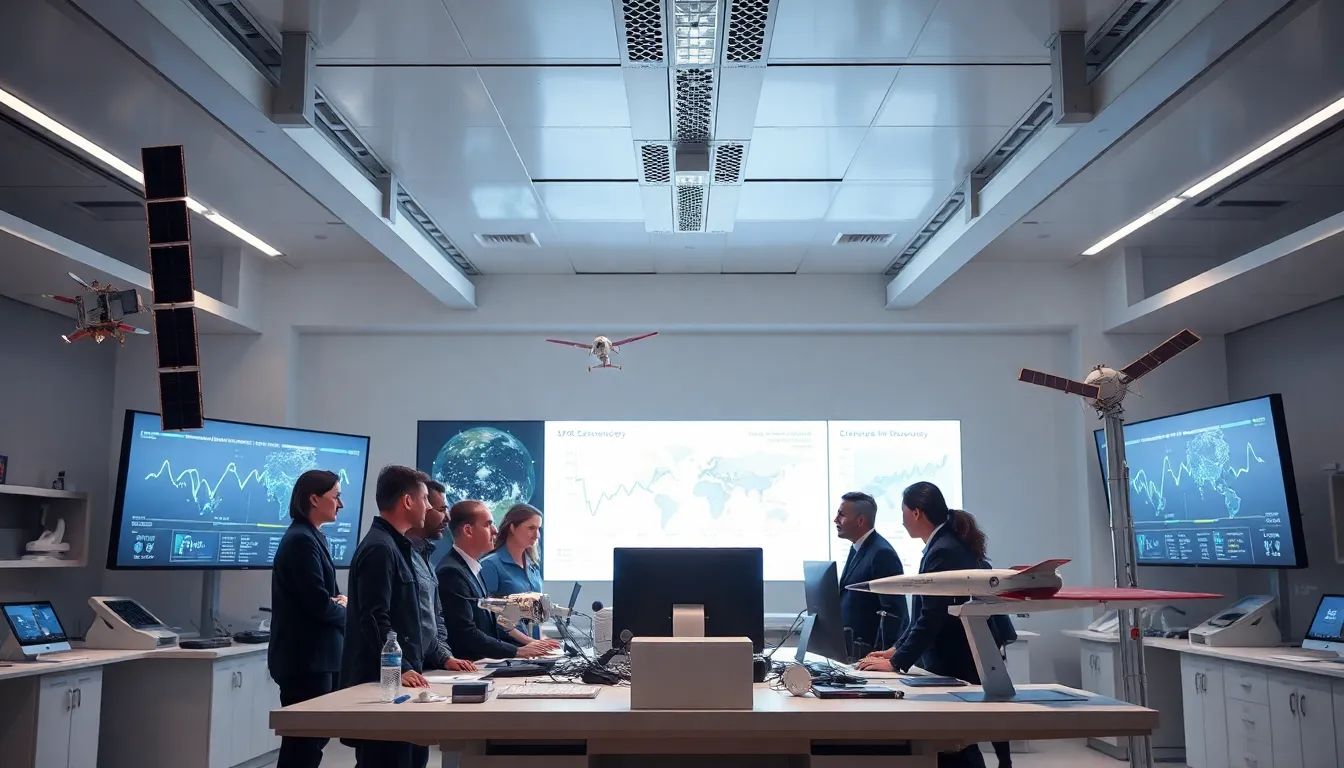
Space technology encompasses a broad range of advances that enable exploration and utilization of outer space. From communication systems to navigation satellites, this technology affects daily life on Earth while providing essential data for scientific research. It wasn’t always this way: the progression from early rocketry to today’s sophisticated technologies has opened up new frontiers for exploration and understanding. This evolution has led to innovations that not only help us investigate planets but also provide critical information on climate change, weather patterns, and global connectivity.
Satellites and Their Applications
Satellites are among the most visible embodiments of space technology, orbiting our planet and performing vital functions. They come in various shapes and sizes, serving multiple purposes that range from communication and weather forecasting to GPS navigation and scientific research.
Types of Satellites
- Communication Satellites: These are crucial for transmitting television signals, phone calls, and internet data. Examples include the Intelsat and Iridium satellites that keep us connected across distances.
- Weather Satellites: Instruments like NOAA satellites gather data on weather, helping meteorologists predict storms and improve safety.
- Reconnaissance Satellites: Used primarily by military organizations, these satellites provide strategic information by capturing high-resolution images.
- Scientific Research Satellites: Hubble Space Telescope, for instance, has transformed our understanding of the universe by allowing astronomers to observe celestial bodies in remarkable detail.
The versatility of satellites illustrates their importance in contemporary society, enhancing communication, security, and environmental monitoring.
Rockets and Launch Vehicles
When discussing space technology, rockets undoubtedly make the headlines. These are the vehicles designed to propel payloads into space, including satellites, astronauts, and scientific instruments.
Notable Examples of Rockets
- Falcon 9: Developed by SpaceX, this reusable rocket has revolutionized the launch industry by significantly reducing costs. Its ability to land back on Earth after launch has made space missions more sustainable.
- Ariane 5: A European Space Agency creation, known for carrying heavy payloads into geostationary orbit, demonstrating the collaboration of various nations in space endeavors.
- SLS (Space Launch System): NASA’s upcoming rocket, designed for deep-space exploration, showcases innovative technology, ensuring a new era of discovery, including missions to Mars.
The engineering behind these launch vehicles combines aerodynamic design, advanced propulsion systems, and meticulous planning to ensure successful missions.
Space Exploration Technologies
Space exploration technologies enable missions beyond Earth’s atmosphere, providing insights into our solar system and beyond.
Key Technologies in Space Exploration
- Robotic Probes: Craft like Voyager 1 and 2 have traveled beyond our solar system, sending back priceless data about distant planets and celestial phenomena.
- Rovers: Mars rovers like Curiosity and Perseverance have traversed the Martian landscape, conducting experiments and sending back images that spark our imagination about potential life beyond Earth.
- Space Telescopes: Instruments such as the James Webb Space Telescope aim to peer even deeper into time and space, searching for the origins of the universe and life.
Collectively, these technologies symbolize the human spirit of discovery and our relentless quest to understand the universe.
Robotics in Space Technology
Robotics is a game-changer in space technology, enabling tasks that would be too dangerous or impossible for humans.
Applications of Robotics
- Manipulation Systems: The Canadarm on the Space Shuttle was instrumental in deploying satellites and conducting repairs in orbit.
- Autonomous Rovers: NASA’s rovers on Mars operate semi-autonomously, conducting scientific experiments without constant human control.
- Satellite Servicing: Robotic systems can repair and upgrade satellites in orbit, extending their operational life and utility.
The growing role of robotics in space is paving the way for more ambitious missions, where human presence may be limited or impractical.
Emerging Trends in Space Technology
As technology continues to evolve, several trends are emerging in space technology that promise to change the landscape of space exploration.
Innovative Trends
- Reusable Rockets: Companies are increasingly focusing on building vehicles that can be reused multiple times, cutting down launch costs and making space more accessible.
- Smaller Satellites: Known as smallsats or CubeSats, these miniaturized satellites are gaining traction due to their lower costs and quick deployment times, expanding the potential for research and communication.
- Space Tourism: The emergence of private companies focuses on turning space travel into a commercial venture, allowing private citizens to experience weightlessness and view Earth from orbit.
These advancements illustrate how the pursuit of knowledge and exploration is gradually becoming a communal try, with more players entering the field.
The Future of Space Technology
The future of space technology is ripe with possibilities. Advancements in materials, AI, and propulsion systems hint at thrilling developments ahead.
What Lies Ahead
- Mars Colonization: Initiatives by Elon Musk’s SpaceX and NASA aim to establish a human presence on the Red Planet, pushing the boundaries of what humanity can achieve.
- Asteroid Mining: The prospect of mining asteroids for precious metals and resources could redefine economics and sustainability on Earth.
- Interstellar Probes: Concepts for probes capable of reaching neighboring star systems within a human lifetime hint at profound discoveries in the cosmos.
These aspirations not only focus on technological innovation but also emphasize international collaboration, ethics in exploration, and stewardship of outer space.


