
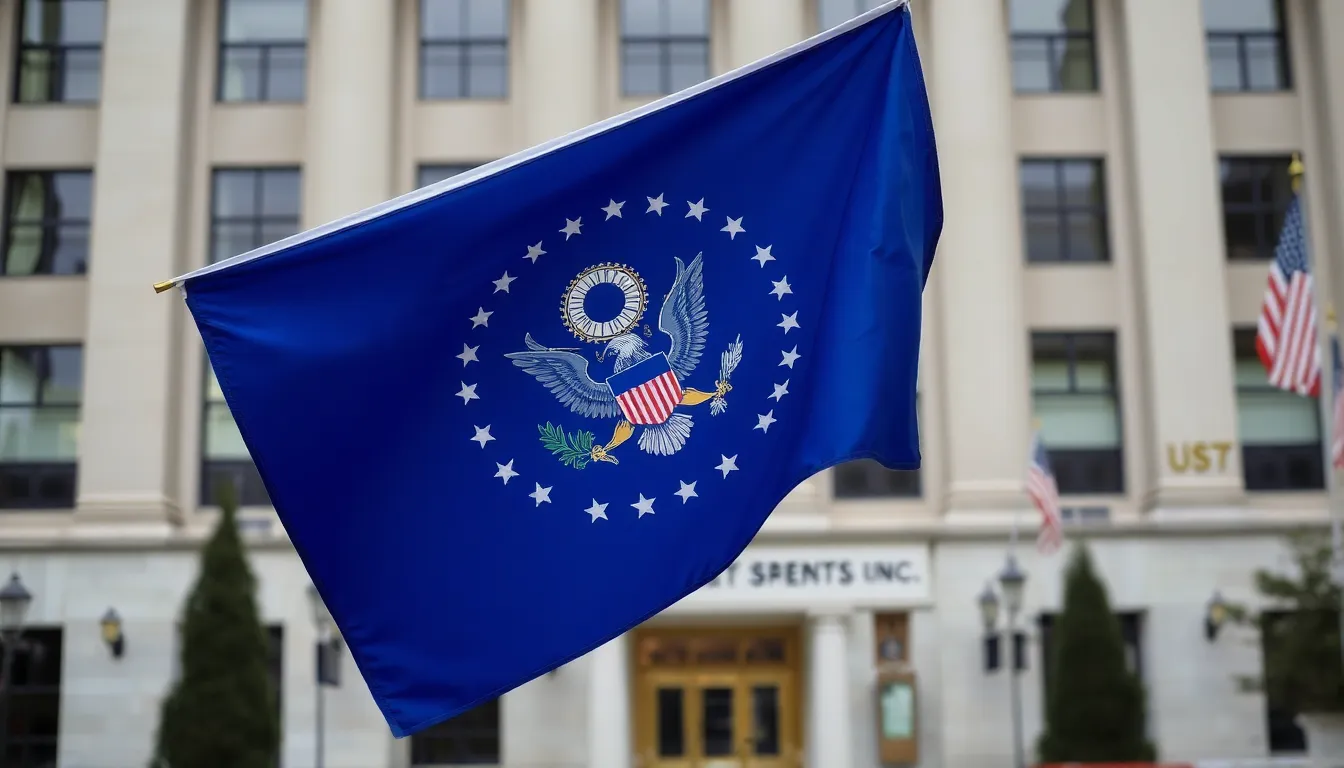
When the U.S. State Department’s flag flies upside down, it’s not just a fashion faux pas; it’s a bold signal of distress. Imagine a diplomat trying to explain that to their colleagues: “Oh, you know, just a little mix-up with the flags!” But in reality, this unconventional display has deep-rooted significance, often signaling a serious message about the state of affairs.
Overview of the State Department Flag
The U.S. State Department flag represents the country’s diplomatic mission and authority abroad. Different from the national flag, it displays a distinct design, featuring the Great Seal of the United States on a dark blue field. The symbolism of the flag emphasizes peace and diplomacy.
Flying the flag upside down signals a state of distress. Such an act indicates that serious issues affect the mission or safety of personnel at a diplomatic facility. This unconventional display carries significant meaning, often prompting concern from fellow diplomats and government officials.
Understanding this flag’s role requires recognition of its context. Staff members on foreign posts may face emergencies that necessitate symbolic distress signals. In these situations, displaying the flag upside down serves as a clear communication tool.
The importance of adhering to protocols exists within the diplomatic community. Flags displayed improperly can confuse observers unfamiliar with their meanings. Conversely, flying the State Department flag upside down intentionally warns of dire circumstances.
Training for diplomats typically includes discussions on the appropriate use of the flag. Addressing scenarios where a distress signal is necessary forms part of their preparation. While the flag’s upside-down position may evoke curiosity, it ultimately represents prompt action in times of crisis.
Meaning of an Upside Down Flag
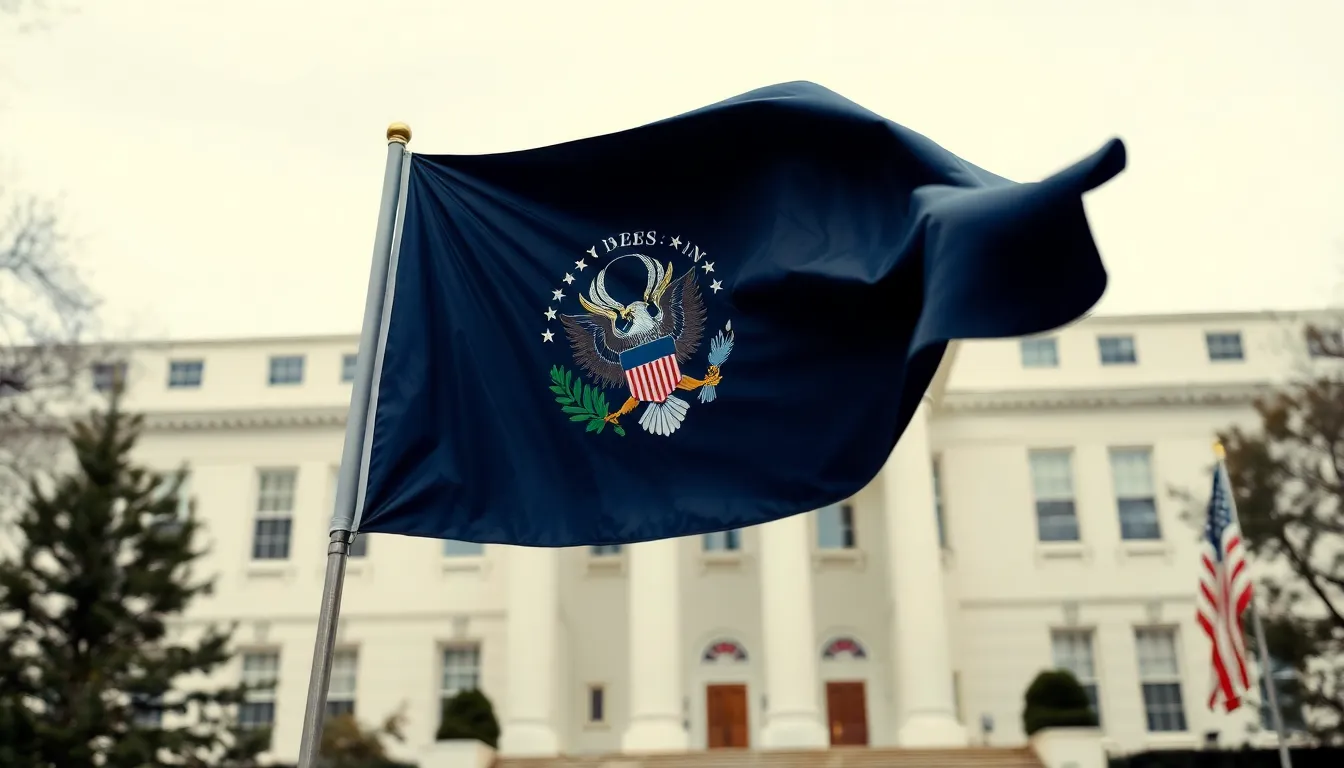
An upside-down flag carries a significant message of distress. This display, especially regarding the U.S. State Department flag, symbolizes serious challenges facing diplomatic missions or personnel.
Historical Context
Historically, flying a flag upside down has indicated peril. During wartime, it served as a signal for help. Protocols established during conflicts emphasized the importance of this display. Various military forces recognized it as a call for urgent assistance. The practice extended beyond military use to international diplomacy, underscoring the severity of situations leading to such displays.
Current Usage
In contemporary settings, an upside-down flag signifies distress at diplomatic posts. Officials and diplomats recognize this display as a critical warning sign. Training ensures that personnel understand its implications when facing emergencies. Proper use maintains clarity within the diplomatic community. This symbolism fosters awareness among foreign governments and partners. Different situations, such as attacks or severe crises, may prompt this action, reflecting the urgency of the circumstances encountered.
Implications of Displaying the Flag Upside Down
Displaying the flag upside down transcends a mere error; it conveys a potent message of distress. This act signifies urgent concerns related to mission integrity and personnel safety.
Symbol of Distress
An upside-down flag serves as a universal signal of danger. It alerts viewers that a diplomatic post faces dire circumstances. Consequently, such displays provoke immediate attention from authorities and colleagues within the diplomatic community. Understanding this symbol is crucial during emergencies, as it communicates the gravity of the situation without the need for elaborate explanations. Protocols for flag usage among diplomats specifically teach the significance of this distress signal. Heeding this important sign leads to prompt responses from fellow diplomats and government entities.
Political Statements
Diplomats sometimes display the flag upside down as a form of political protest. This unconventional display emphasizes discontent with government policies or international actions. In this context, the upside-down flag acts as an eye-catching protest symbol, raising awareness among observers about specific political issues. Awareness of this practice helps distinguish between genuine distress signals and intentional political statements. Understanding this nuance fosters clearer communication among diplomats and foreign partners. Many instances of upside-down flags have sparked discussions on significant political concerns, illustrating the flag’s dual role in diplomacy.
Guidelines for Proper Flag Display
Following established protocols ensures proper flag display. The U.S. State Department’s flag must always hang correctly; inversely displayed flags signal distress.
Display the flag at proper height on diplomatic premises. Flags should fly above all other flags, emphasizing their significance. Additionally, timing matters; flags usually remain up from sunrise to sunset unless illuminated.
Ensure the flag is clean and in good condition. Torn or faded flags detract from the flag’s intended message and may imply neglect. When specific safety or security situations arise, properly manage the situation by displaying the flag upside down only if necessary.
Understand the context surrounding flag protocols. Diplomatic personnel undergo training to address situations that invoke flag distress signals. Knowing when to use the flag in this manner helps maintain clarity between teams and foreign officials.
Whether for a distress signal or for political statement, recognizing the dual nature of the flag enhances communication. Instances of displaying the flag upside down stem from urgent crises; however, they may also serve to protest government policies.
Coordinating between agencies becomes essential when a flag is flown sideways; alerting colleagues maintains a unified response. Engaging in ongoing training programs prepares staff members for effective flag usage across various scenarios. Adhering to these guidelines fosters a clear understanding of intent and urgency in diplomatic relations.
The display of the U.S. State Department’s flag upside down is a powerful symbol of distress that carries significant weight in diplomatic circles. It serves as a critical alert to the challenges faced by diplomatic personnel and the urgent need for attention and action. This practice underscores the importance of understanding the flag’s dual role as both a signal of peril and a potential form of protest.
Adhering to flag protocols is essential for maintaining clarity in international relations. As diplomats navigate complex situations, the upside-down flag remains a poignant reminder of the serious implications tied to its display. Recognizing this symbol fosters better communication and awareness among diplomats and their foreign counterparts, ultimately enhancing the effectiveness of diplomatic missions during crises.


